

Here is a well-structured article on petrol price differences across the world based on recent global data (2026):
Petrol Price Differences Across the World
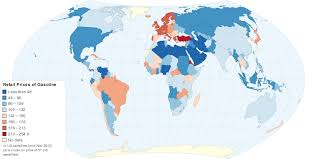
Petrol (gasoline) prices vary significantly from country to country. These differences are influenced by several factors such as crude oil costs, government taxes, subsidies, exchange rates, and geopolitical conditions. As of 2026, the global average petrol price is around $1.30–$1.37 per liter (GlobalPetrolPrices.com), but actual prices differ widely across regions.
1. Global Overview of Petrol Prices
Across more than 170 countries, petrol prices show a wide gap:
- Global average: ~$1.30 per liter (GlobalPetrolPrices.com)
- Cheapest countries: Below $0.40 per liter
- Most expensive countries: Above $2.00 per liter
This means some countries pay 5–6 times more than others for the same fuel.
2. Countries with the Lowest Petrol Prices
Countries with the cheapest petrol are usually oil-producing nations that provide heavy subsidies to citizens.
Examples:
- Venezuela: Near $0.02–$0.10 per liter (heavily subsidized)
- Iran & Libya: Around $0.03–$0.30 per liter
- Algeria & Angola: Around $0.30–$0.40 per liter (Gari.PK)
Reasons:
- Large domestic oil production
- Government subsidies
- Low taxation
3. Countries with the Highest Petrol Prices
Countries with high petrol prices are usually developed nations with heavy fuel taxes and environmental policies.
Examples:
- Netherlands: Around $2.30+ per liter (fuel-prices.eu)
- Norway, UK, France: Often above $2.00 per liter
- Iceland: Among the highest globally
Reasons:
- High environmental taxes
- Carbon policies
- Import costs
4. Petrol Prices in Developed vs Developing Countries
Developed Countries:
- Higher prices due to taxes and environmental regulations
- Example: Europe average ≈ €1.7–€1.8 per liter (fuel-prices.eu)
Developing Countries:
- Prices vary widely
- Some subsidize fuel, others depend on imports
5. Petrol Prices in South Asia
South Asian countries often face fluctuating petrol prices due to import dependence.
Examples:
- Pakistan: ~PKR 330–335 per liter (≈ $1.15+) (ProPakistani)
- India: Around $1.1–$1.3 per liter
- Afghanistan: ~$0.85 per liter (Gari.PK)
Key Issues:
- Currency depreciation
- Import bills
- Government taxation
6. Petrol Prices in the United States
The United States has relatively moderate petrol prices compared to Europe:
- Around $4 per gallon (~$1.05 per liter) in 2026 (Investopedia)
Despite being an oil producer, prices fluctuate due to global market dynamics.
7. Factors Causing Price Differences
Several key factors explain why petrol prices differ worldwide:
1. Taxes
- Major factor in Europe
- Can make up 50–60% of price
2. Subsidies
- Common in oil-rich countries
- Keeps prices artificially low
3. Oil Production
- Exporters → cheaper fuel
- Importers → higher prices
4. Exchange Rates
- Weak currency increases fuel cost
5. Geopolitics
Recent conflicts (e.g., Middle East tensions) have pushed global oil prices higher, affecting petrol worldwide (The Guardian)
8. Impact of Petrol Price Differences
Economic Impact:
- Higher transport costs
- Inflation in goods and services
Social Impact:
- Burden on middle- and low-income households
Environmental Impact:
- High prices encourage electric vehicle adoption
Conclusion
Petrol prices differ dramatically across the world due to economic policies, natural resources, and political conditions. While oil-rich countries enjoy cheaper fuel, developed nations often impose higher taxes to control consumption and reduce emissions. As global events continue to influence oil supply, petrol price differences are likely to remain a key issue affecting economies and everyday life worldwide.
If you want, I can convert this into a short essay, presentation slides, or assignment format.